The Complete Beginner's Guide to Microsoft Copilot (2026)
By AI Learning · Last updated September 18, 2026
You’ve probably pressed the Copilot key or seen the icon in your Windows taskbar without ever really using it. This guide exists for the part most people never get to: what Microsoft Copilot actually is, how it’s different from Microsoft 365 Copilot at work, and which features are genuinely free versus which ones need a subscription, none of it blurred together.
What You'll Learn
You don't need to read this whole guide to know it's worth reading. Here's exactly what you'll walk away with:
Understand what Microsoft Copilot actually is, and why searching for help online gets you conflicting answers
Know the real difference between the free Copilot you already have and Microsoft 365 Copilot at work
Know exactly which features are free and which need a subscription, without any of it being blurred together
Reach Copilot from the taskbar, the Copilot key, or Edge, not just a browser tab
Connect Copilot to your OneDrive or Outlook and know exactly what that does and doesn't share
Know exactly where to go next once you're through this page
Here's the shape of the journey ahead:
Getting Started
Try Copilot immediately and clear up the naming confusion
Understanding Copilot
What it is, personal vs. work, what it can't do
What Copilot Can Actually Do
Voice, Think Deeper, connectors, Windows, and work
Practical Workflows
Real prompts, real mistakes, connecting your accounts
Going Further
Frameworks, privacy, and Copilot for your profession
Continue Learning
FAQ, and exactly where to go next
Quick Start
Reading about a tool and using it are different things. Before any explanation, try Copilot once, so everything after this is grounded in something you've actually seen.
- 1
Go to copilot.microsoft.com
Sign in with a Microsoft account. If you use Windows, Outlook.com, or Xbox, you already have one, and the free plan covers everything in this Quick Start.
- 2
Paste this prompt
Copy the prompt below exactly as written. It works with anything as the "document," so don't overthink it yet.
- 3
Upload a simple document
Any PDF, email, or text file on your computer works: a lease, a receipt, an old assignment. Attach it with the paperclip icon before sending.
- 4
Read the result
Notice that Copilot answers using the actual content of your file, not a generic response. That's the entire point of this exercise.
Read the document I've attached and tell me, in three sentences, what it's actually about and who it seems to be written for.
”That's it. You've just watched Copilot do something a search engine structurally can't: read something specific to you and answer a specific question about it. Everything from here explains why that worked, and what else it can do that you've probably walked past on your own PC without trying.
Note
If that felt useful, know it's the simplest thing Copilot does. Later in this guide you'll see it hold a real spoken conversation for free, reason through a genuinely hard question, and answer using your own OneDrive files if you let it.
Why Learning Copilot Matters Right Now
Here's a problem specific to Copilot that doesn't exist for the other guides in this series: search for help with it online, and you'll get answers about two different products tangled together, often in the same article.
"Microsoft Copilot" is the free AI assistant tied to your personal Microsoft account, the one at copilot.microsoft.com, in Windows, and in Edge. "Microsoft 365 Copilot" is a separate, paid product that companies license for their employees, wired into their actual work email, meetings, and files. They share a name, a chat window that looks almost identical, and a lot of underlying technology, and that's exactly why so many "how to use Copilot" articles quietly mix advice meant for one into a guide meant for the other.
This matters immediately, not eventually. If you've ever pressed the Copilot key on your keyboard, seen the icon in your Windows taskbar, or noticed a Copilot button appear in Edge, you've already had access to the free version, whether you've used it seriously or not. Most people have brushed against it without ever really trying it, in part because most of what they've read online was actually describing someone else's work account.
This guide is about the free, personal version first and most thoroughly, since that's what you have right now. It also explains the work version honestly, later, so you're not caught off guard the first time a coworker mentions something Copilot did that yours simply can't.
What Is Microsoft Copilot?
Microsoft Copilot is Microsoft's AI assistant, built on a mix of OpenAI's models and models Microsoft develops itself. Unlike Claude or ChatGPT, which each come from a company built around one core product, Copilot comes from the company that makes Windows, Office, and Bing, and it shows: Copilot isn't only a website you visit, it's stitched into an operating system nearly a billion PCs already run.
Microsoft ships model updates regularly, and which specific model answers a given question isn't something you need to track day to day. What matters more in practice is what Copilot does by default that some other AI assistants don't: it searches the web through Bing automatically when a question calls for current information, without you needing to switch on a "search" toggle first.
Do you need to pick a model?
Not really. Copilot doesn't ask you to choose a model up front the way some other assistants do. What you do choose is a mode: a quick chat answer, a spoken Voice conversation, or Think Deeper for a harder question that benefits from more careful reasoning, covered properly later in this guide.
Like any modern AI chat tool, Copilot holds a conversation in mind rather than answering each message cold: ask a follow-up and it remembers the file you uploaded or the constraint you mentioned two messages ago. That baseline is shared with Claude, ChatGPT, and Gemini. What's specific to Copilot is the rest of it: a genuinely free, unlimited voice mode, a reasoning mode with the same no-cost policy, a system-wide presence in Windows and Edge, and, if you choose to turn it on, the ability to answer using your own OneDrive files or Outlook inbox directly.
Microsoft Copilot vs. Microsoft 365 Copilot
This is worth its own full stop before anything else, because getting it wrong is the single most common source of confusion this guide exists to prevent.
Microsoft Copilot (what you have)
- Tied to your personal Microsoft account, free to use
- Answers using the web and whatever you paste in or upload
- Available to anyone at copilot.microsoft.com, in Windows, and in Edge
Microsoft 365 Copilot (a work license)
- Licensed by an employer or school, tied to a work or school account
- Can answer using actual company email, meetings, and documents
- Only available if your organization has purchased and assigned it
| Area | Microsoft Copilot (personal) | Microsoft 365 Copilot (work) |
|---|---|---|
| Who it's for | Anyone with a personal Microsoft account | Employees or students whose organization has licensed it |
| What it can see | The web, and files you upload yourself | Your actual work email, Teams chats, and documents, permissions respected |
| Cost | Free, with some features requiring a personal Microsoft 365 subscription | Paid for by the organization, not something you personally subscribe to |
| Where it lives | copilot.microsoft.com, Windows, Edge, mobile apps | Word, Excel, PowerPoint, Outlook, and Teams at work |
| Building your own | Not available | Organizations can build custom agents for specific business tasks |
Here's what that looks like in practice. At home, ask Copilot to summarize a PDF you uploaded and it works from exactly that file, nothing more. At work, if your employer has licensed Microsoft 365 Copilot, someone could ask it to summarize "yesterday's budget meeting" and, because it's connected to their actual Outlook and Teams data through something called Microsoft Graph, it can pull in the real meeting notes and follow-ups, something the free version has no way to do and was never built to do.
Neither version is a lesser copy of the other. They're built for different situations: one for anyone, grounded in the open web and whatever you hand it; the other for an organization's own data, grounded in systems only that organization controls. This guide focuses on the free, personal version, since that's almost certainly the one you're using, and covers the work version honestly in its own chapter later, without pretending the two are interchangeable.
Copilot vs. ChatGPT, Claude, and Gemini
If you've read the other guides in this series, you've seen the same honest pattern each time: no single winner, specific strengths that matter for specific situations.
Choose Copilot if
- You're already on Windows and want your AI assistant reachable without opening a browser tab
- You want a genuinely free voice mode and reasoning mode, with no usage cap
- You want answers grounded in a live web search by default, without turning anything on first
Choose ChatGPT, Claude, or Gemini if
- You want a large public library of ready-made custom assistants to try
- Tone and voice matter for something with your name on it, like a piece you'll actually publish
- You want deep integration with a different ecosystem, like Google Workspace or a Mac
| Area | Copilot | ChatGPT, Claude, and Gemini |
|---|---|---|
| Where it lives | Windows, Edge, and a dedicated app, built into the OS itself | Standalone apps and websites you have to go open |
| Web search | On by default for questions that need it | Usually requires switching on a search mode |
| Voice and reasoning | Free and unlimited for everyone | Often limited or tiered by subscription |
| Custom assistants | Not available for personal accounts | ChatGPT's Custom GPTs and Gemini's Gems both let you build your own |
| Ecosystem depth | Deepest on Windows and with a Microsoft 365 subscription | Deepest inside Google's or a Mac-first workflow, depending on the tool |
In practice: ask Copilot a question that needs today's news and it searches without you doing anything extra. Ask it to build you a reusable, specialized assistant the way you could with a ChatGPT Custom GPT or a Gemini Gem, and there's currently no personal-account equivalent, that idea belongs to the work version's custom agents instead. Plenty of people run more than one assistant: Copilot for anything touching Windows or a quick voice question, another tool for tasks its ecosystem happens to fit better.
Chats and Context: What Copilot Remembers
Like any AI chat tool, everything you say inside one Copilot conversation stays available for the rest of that conversation: a file you uploaded, a constraint you mentioned two replies ago. Close it or start a new chat, and that specific context resets, though your chat history itself is still saved and reachable later unless you delete it.
What's worth knowing early is that Copilot's memory of you personally works in layers. The conversation itself is one layer. A separate, opt-in layer lets Copilot look at your actual OneDrive files or Outlook inbox if you turn on connectors, covered properly in the next chapter, so its sense of "what you're working on" can go beyond only what you've typed or uploaded that session. Neither layer talks to your workplace's Microsoft 365 Copilot, if your employer has one. They're separate systems, with separate data, even though both carry the Copilot name.
A rough rule that works
Start a new chat when the topic genuinely changes, not just when the conversation gets long. And keep in mind that your personal chat history and any connected OneDrive or Outlook data are two different things, one lives in the conversation, the other only works if you've deliberately turned it on.
What Copilot Can't Do (Yet)
A guide that only tells you what a tool is good at isn't trustworthy, it's marketing. Here's where Copilot genuinely falls short, stated plainly.
It can state something incorrect with complete confidence, especially on obscure facts, exact figures, and citations
Several of its more advanced features, Pages, Notebooks, and Vision, require a personal Microsoft 365 subscription, they aren't part of the free plan
It can't build a personal, reusable custom assistant the way ChatGPT's Custom GPTs or Gemini's Gems can, that capability currently belongs only to the work version's custom agents
The free personal version has no access to work data, even if your employer separately has Microsoft 365 Copilot
It can't take real action in the world on its own, sending an email, booking something, unless a specific connected service explicitly allows it
A concrete example: ask Copilot to open a specific file on your desktop that you haven't uploaded or connected, and it has no way to reach it. Copilot answers from the conversation, the web, and whatever you've explicitly shared with it, not by reaching into your computer at will.
Without an uploaded or connected file, illustrated
That's not a rare glitch, it's a predictable consequence of how the free version is built, and expecting it up front is far more useful than being caught by it later. Treat any specific number, date, or citation Copilot gives you as a claim worth a second look, not a settled fact, especially when getting it wrong would actually cost you something.
Ready to get more out of Copilot?
Everything you’ve read so far gives you the foundations.
If you’d rather learn by practicing than by reading, AI Learning turns these same concepts into structured lessons, quizzes, and guided learning paths designed to help you build real confidence using Copilot.
How you'll learn
Learn Copilot one concept at a time through structured lessons, practical examples, quizzes and guided learning paths.
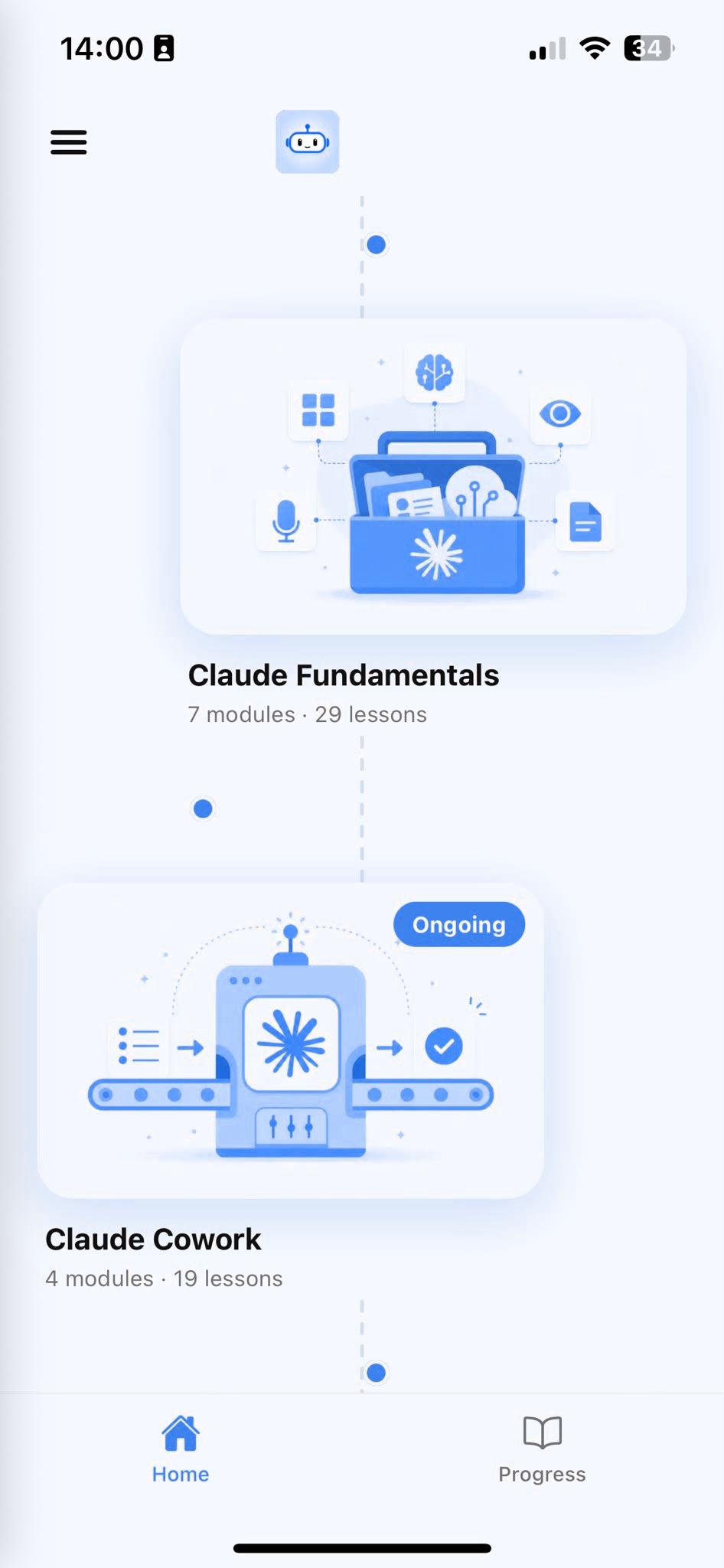
Browse Courses
Choose what to learn from a structured library of AI lessons.
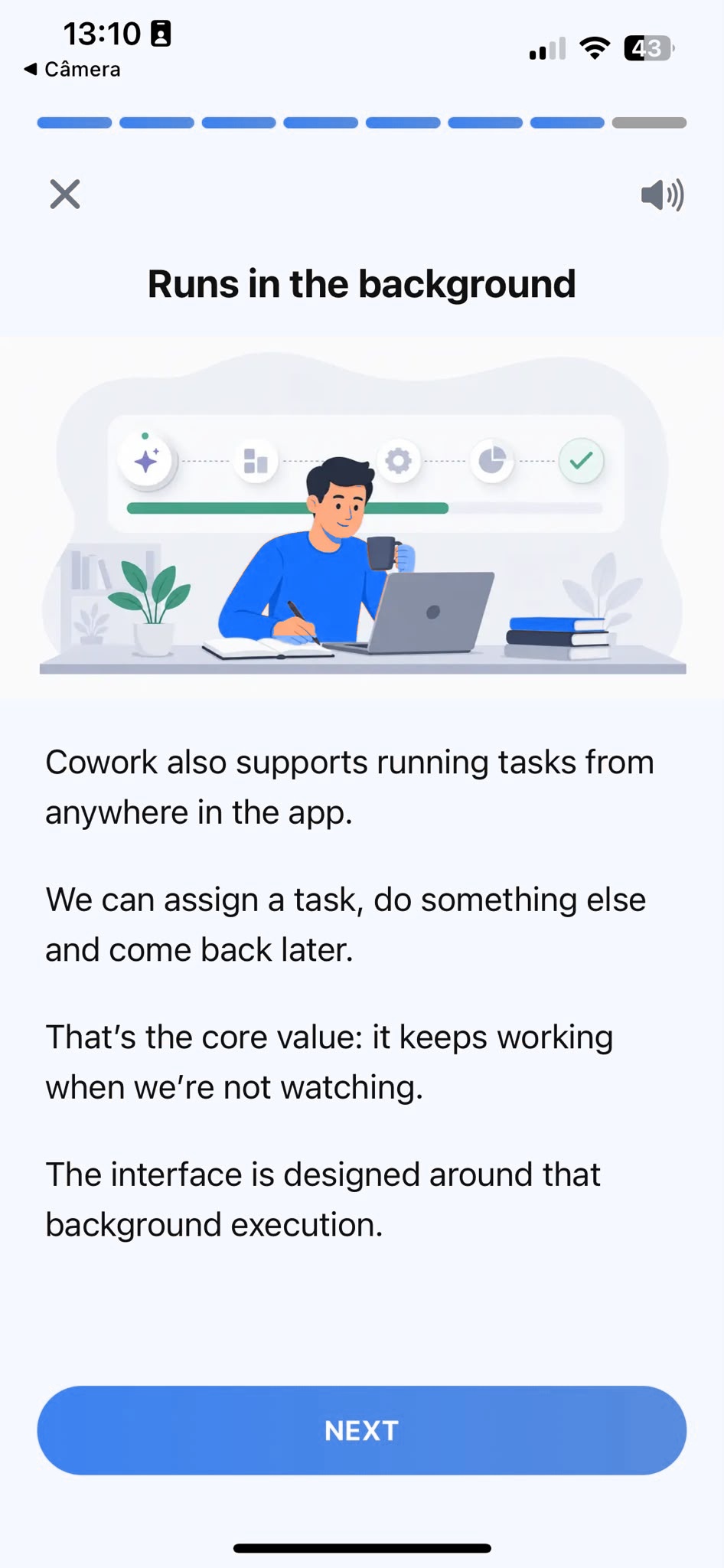
Learn
Short, focused lessons that build from fundamentals to real-world tasks.
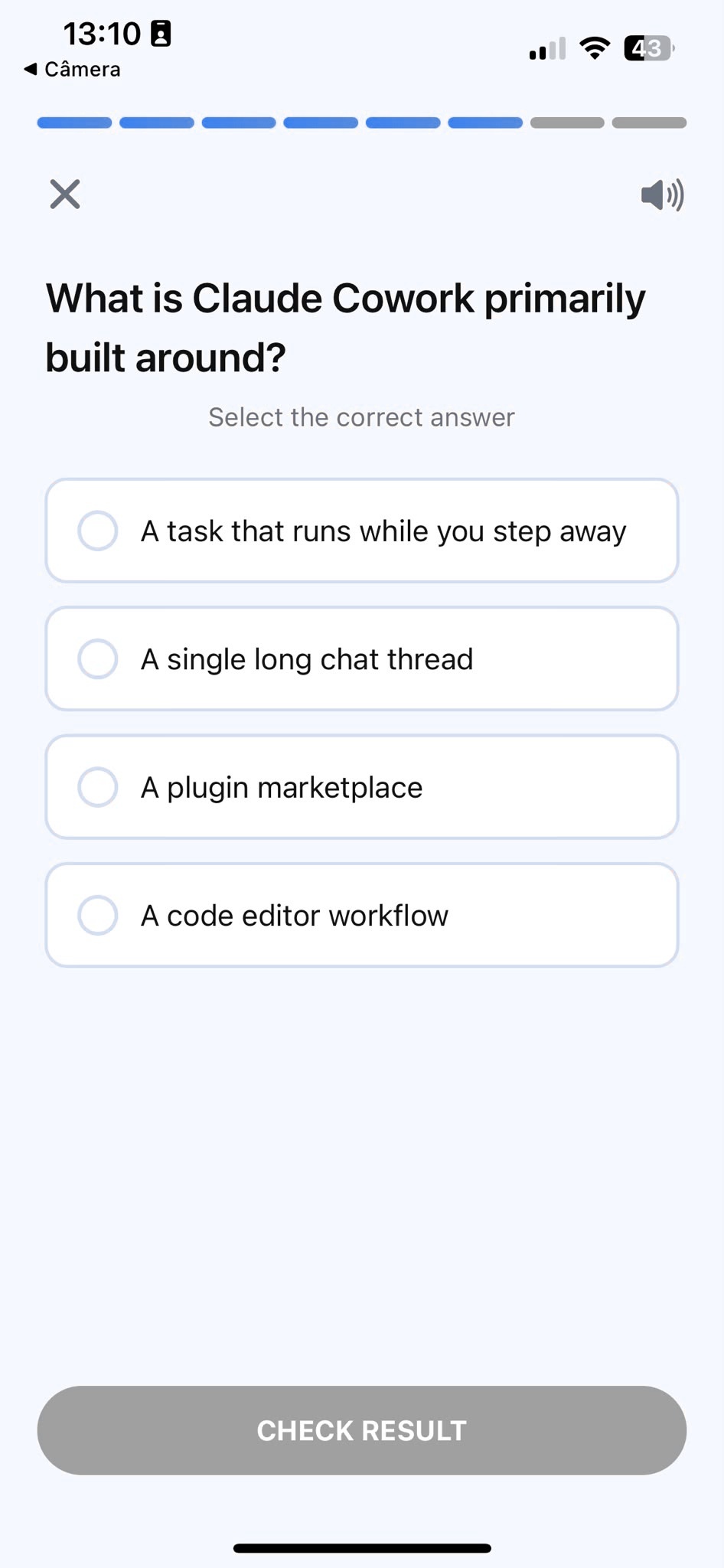
Quiz
Test your understanding right after each lesson, not at the end.
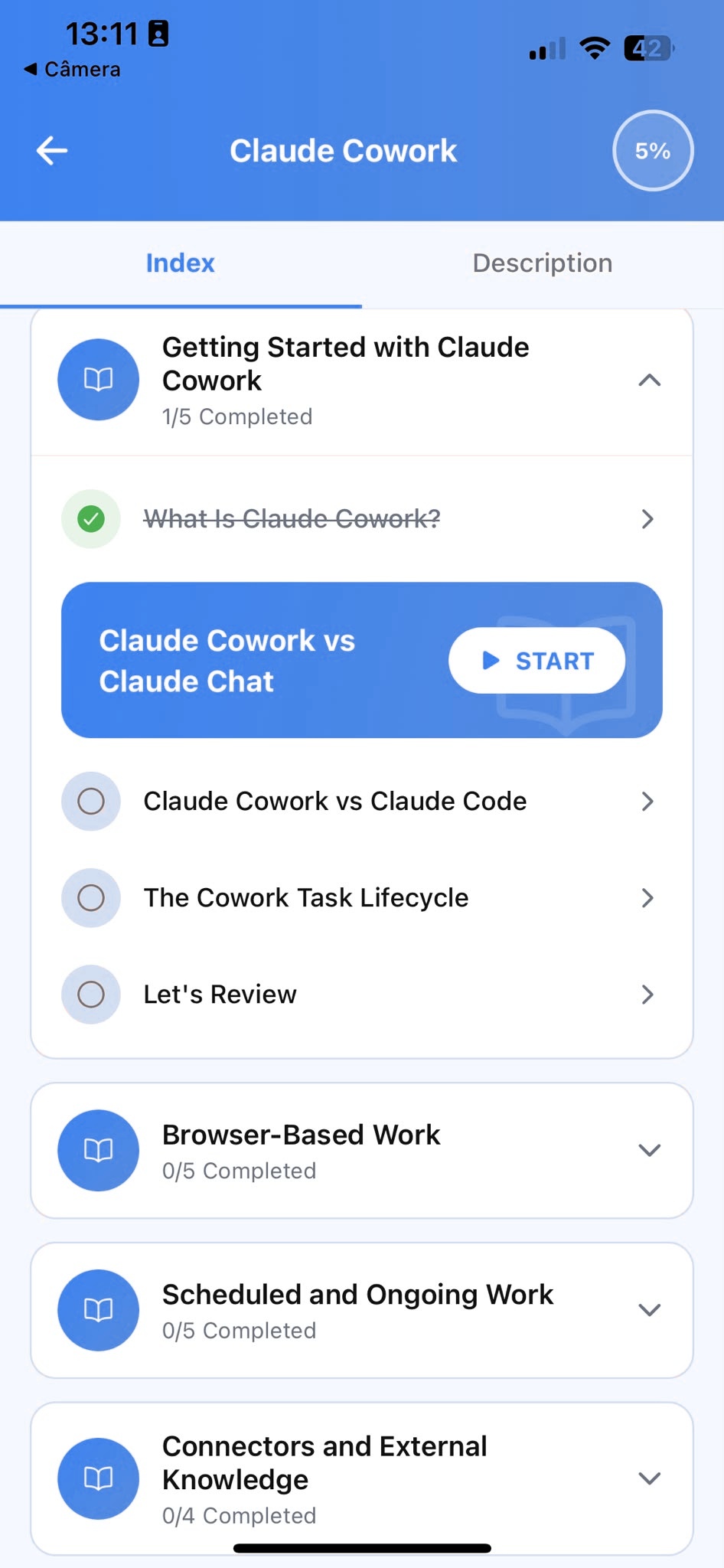
Track Progress
Pick up exactly where you left off, on any device, at any time.
How Copilot Actually Works
Most explanations of Copilot lead with feature names, Voice, Think Deeper, connectors, before explaining what problem any of them solves. That teaches vocabulary, not judgment. Here's the reverse: the actual escalation first, then the names that go with each step, with a plain note on which ones are free.
A plain conversation already understands what you've told it
Everything in the current chat stays available: an uploaded file, a constraint from three messages ago, a correction you made once. Free.
You can talk to it out loud instead of typing
A real spoken conversation, not text read aloud. Free and unlimited for everyone, no subscription required.
It can reason through a genuinely hard question more carefully
Think Deeper takes longer but works through complex problems step by step. Also free and unlimited.
It can answer using your real OneDrive or Outlook, if you allow it
Turn on a connector and Copilot can look at your actual files or inbox, not just what you paste in. Free to turn on.
You can build something together on a shared canvas
Copilot Pages and Notebooks let you and Copilot edit the same document. This one requires a personal Microsoft 365 subscription.
That's a natural progression, from the simplest way of using Copilot to the most involved:
A single conversation
Simplest, freeEverything lives in one chat. No setup, and it already covers most everyday questions.
Voice or Think Deeper
Still freeA spoken conversation, or a slower, more careful mode for a genuinely hard question.
Connectors and Pages
Mixed, check firstConnectors are free to turn on. Pages and Notebooks need a personal Microsoft 365 subscription.
Those ideas have official names inside Copilot:
- A real-time spoken back-and-forth is Voice. Turn it on from the microphone icon, or say "Hey Copilot" if you've enabled that phrase on Windows. Microsoft made Voice free with no usage limit for every user, not a paid perk.
- A slower, more careful reasoning mode for a genuinely complex question is Think Deeper. Also free and unlimited, worth reaching for on something like comparing job offers or working through a tricky decision, not a quick factual question.
- Letting Copilot look at your actual OneDrive, Outlook, or a connected Google account is a connector. Free to turn on, opt-in, and covered hands-on later in this guide.
- A shared, editable document you build together with Copilot is a Page, and a workspace that gathers several documents so Copilot can answer questions grounded in all of them at once is a Notebook. Both require a personal Microsoft 365 subscription (Personal, Family, Premium, or the retired Pro tier for existing subscribers), they aren't part of the free plan.
- Sharing your screen or your phone's camera so Copilot can see what you're looking at, live, is Vision. Also gated behind a personal Microsoft 365 subscription, and it only works during a Voice conversation, not as a standalone feature.
Here's why the order matters. Voice and Think Deeper cost nothing and are worth trying immediately. Pages, Notebooks, and Vision are genuinely useful but require a subscription, and conflating the two, expecting a free account to open a Page, is one of the most common frustrations new users run into.
None of this is required to get real value out of Copilot. A single well-used conversation, no Voice, no connector, already covers most of what this guide teaches. These matter once a specific task calls for them.
Files, Images, and Screens
Typing everything by hand wastes the one thing Copilot is actually good at: reading something specific and answering questions grounded in it. Attach a file with the paperclip icon in the message box and ask something precise about it, rather than a generic "summarize this."
A few things worth knowing about how this actually behaves. Copilot can read PDFs, Word documents, spreadsheets, and plain text directly, and it can read an image too, a chart, a table, a photo of a handwritten note. Upload two files in the same message and ask it to compare them directly, rather than uploading one, asking about it, then uploading the second separately.
Here are last quarter's and this quarter's expense reports. Compare them and tell me the three categories with the biggest percentage increase, with the actual numbers for each.
”Copilot also generates images natively from a written description, through its built-in Image Creator, free for everyone with a daily allotment of fast generations; once you use those up, it keeps working, just more slowly. Ask for a specific style or subject, then ask for changes the same way you'd revise a paragraph of text.
Tip
Ask for exactly what you need from a document, not a general summary. "Summarize this" produces a flat overview. "Find every clause that lets the vendor raise prices without 30 days' notice" produces something you can actually act on. The same specificity applies to images: naming the exact change you want beats starting over with a longer description.
What about Copilot Vision?
Vision lets Copilot see your screen or your phone's camera during a live Voice conversation, useful for walking through something visual step by step. It's real, but it requires a personal Microsoft 365 subscription (Personal, Family, or Premium), not something the free plan includes.
Copilot in Windows and Edge
This is the chapter that doesn't really exist in a Claude, ChatGPT, or Gemini guide the same way, because none of those is built into an operating system nearly a billion PCs already run.
The Copilot key
Many newer Windows keyboards have a dedicated key, usually near the spacebar, that opens Copilot instantly with a single press.
Windows key + C, or the taskbar
On any Windows 11 PC, this shortcut or the Copilot icon in the taskbar opens the same assistant without a dedicated key.
"Hey Copilot"
An opt-in voice activation phrase: once enabled, saying it while your PC is on and awake starts a Voice conversation hands-free.
Edge's sidebar
Open Copilot alongside whatever page you're already reading, and ask about the page's actual content without switching tabs.
There's one more distinction worth knowing, since it comes up in any PC shopping conversation: a Copilot+ PC isn't a different version of the assistant, it's specific hardware built with a chip fast enough to run certain AI features directly on the device instead of over the internet. The Copilot app itself works the same on any Windows 11 PC; a Copilot+ PC mainly adds faster, on-device extras layered on top, not a smarter Copilot.
The practical upside of all this is real: a lot of what you'd otherwise open a browser tab for, checking something on a page you're reading, asking a quick question mid-task, doesn't need a separate step at all. The practical downside is that it's easy to only ever meet Copilot this way, in small, scattered taskbar moments, and never realize the same assistant has a considerably deeper conversation waiting at copilot.microsoft.com.
Copilot at Work: Microsoft 365 Copilot
Covered honestly and briefly, since this is a separate, licensed product, not something you can turn on yourself the way you can with the features above.
If your employer or school has purchased Microsoft 365 Copilot, it plugs into Word, Excel, PowerPoint, Outlook, and Teams directly, and, unlike the free version, it can answer using your organization's actual email, meetings, and documents, through a system called Microsoft Graph, while still respecting whatever permissions you already have. Ask it in Word to draft a summary of a document, and it can pull in relevant context from related files and past meetings you're authorized to see, not just the open document.
A lighter tier called Copilot Chat is often included with standard work or school Microsoft 365 licenses, without the full, separately paid Copilot seat. It gives web-grounded chat and some ability to use organizational agents, but not the same depth of automatic grounding in your day-to-day work data as a full license.
Organizations can also build or install agents, specialized versions of Copilot configured for one business process, like planning a project or answering questions from a specific internal knowledge base. That's the closest equivalent to a custom assistant in the Copilot world, and it's an organizational, admin-managed capability, not something available on a personal account.
Note
If a coworker mentions Copilot doing something that sounds impossible for your version, drafting a reply that already knows about a meeting you were in, summarizing a Teams thread, that's very likely Microsoft 365 Copilot at work, not a hidden feature you're missing on your personal account.
Your First Real Conversation
Most first prompts sound like "why is my laptop so slow." That's not a bad instinct, it's just too little to work with, so Copilot fills every gap with its safest, most generic guess. Watch what happens as the same request gets more specific.
Bad
Too generic"Why is my laptop so slow?" No details about the device, when it started, or what changed.
Better
Getting thereAdds the device and when the problem started, but still leaves Copilot guessing at the cause.
Excellent
Ready to troubleshootAdds what's already been tried and exactly what happens, so Copilot isn't repeating dead ends.
Bad prompt: "Why is my laptop so slow?"
Technically answerable, completely generic. Copilot doesn't know your device, your operating system, or what actually changed, so it defaults to a generic list of troubleshooting tips you've probably already seen.
Better prompt: "My Windows 11 laptop has gotten noticeably slower over the past week, especially when opening apps."
A real improvement. Now it knows the operating system and the timeframe, so its suggestions are at least about the right kind of problem. It still doesn't know what you've already tried, so it might repeat steps that didn't help.
Excellent prompt: "My Windows 11 laptop has gotten noticeably slower over the past week, especially when opening apps. I've already restarted it and checked for Windows updates, both didn't help. Walk me through what to check next, starting with the most likely cause."
This version adds the two things that separate a good result from a great one: what's already been ruled out, so Copilot doesn't waste your time repeating it, and a request for a specific order, most likely cause first, rather than a flat list you have to prioritize yourself.
The excellent prompt, illustrated
Tip
The gap between "bad" and "excellent" isn't cleverer wording. It's two concrete additions: what you've already tried, and the order you want the answer in. That pattern holds well beyond troubleshooting.
Once a suggestion is close, keep going rather than starting a new chat. Point at exactly what happened, "I checked Task Manager and nothing's using much CPU, what's next," not "it's still slow", and Copilot has something concrete to work from instead of guessing again.
The Biggest Beginner Mistakes
Every beginner makes some version of these. Knowing them ahead of time saves the two or three frustrating moments it usually takes to learn them the hard way.
Mistake 1: Reading advice meant for the work version
A huge share of "Copilot how-to" content online describes Microsoft 365 Copilot at work, not the free personal version. If an article assumes access to company email or Teams data, it's not describing your account.
Mistake 2: Assuming Pages, Notebooks, or Vision are free
All three require a personal Microsoft 365 subscription. Trying to open one on a free account and assuming it's broken, rather than gated, is a common and avoidable frustration.
Mistake 3: Not realizing web search is already on
Unlike some other AI assistants, Copilot searches the web by default when a question needs it. Getting an unexpectedly current answer isn't a glitch, it's the normal behavior.
Mistake 4: Expecting connectors to be on automatically
Copilot won't look at your OneDrive or Outlook until you specifically turn that connector on. Nothing personal is shared by default.
Mistake 5: Accepting the first answer as final
The first response is a starting point, not the finished product. A specific correction on the exact part that's wrong gets you further, faster, than a full re-prompt from scratch.
Mistake 6: Trusting a confident answer you can't personally check
Copilot states something wrong with exactly the same confidence as something right. Treat any specific number, date, or citation on an unfamiliar topic as worth verifying, not a settled fact.
Setting Up Copilot Connectors
Most of this guide is about using Copilot as it comes. Connectors change what it can see: instead of only answering from the conversation, it can look at your actual OneDrive files or Outlook inbox when a question calls for it.
- 1
Open Settings in the Copilot app
On copilot.microsoft.com or the Windows app, open your profile menu and go to Settings.
- 2
Find the Connectors section
This lists the services Copilot can connect to: OneDrive, Outlook, and, if you use them, Google Drive, Gmail, Google Calendar, and Google Contacts.
- 3
Turn on the one you'll actually use
Start with whichever solves a real, current annoyance, OneDrive is a common first choice if you keep documents there.
- 4
Ask a real question that needs it
Not a hypothetical one. Ask about an actual file or email so you can see exactly what changes.
Look at the spreadsheet in my OneDrive called "Q3 Budget" and tell me which three categories are closest to going over.
”Note
Turning on a connector doesn't expand what Copilot can access beyond your own existing permissions on that service. It processes your request through the connected service's own rules, the same way you'd access it yourself, it doesn't store, modify, or widen your access.
Your First Real Workflow: One Input, Many Outputs
The habits so far, better prompts, real feedback, are worth a lot alone. Chained together, they're worth considerably more. Here's what one messy input can become in a single sitting.
Say you've got a page of raw notes from a planning meeting: a couple of decisions, a deadline, one open question nobody resolved, and a tangent about next quarter that doesn't belong anywhere yet. Instead of manually turning that into an email, then a separate task list, then a summary for someone who missed the meeting, hand Copilot the whole mess once and ask for all three.
Here are my raw notes from today's planning meeting: [paste notes]. From this, give me three things: a follow-up email that leads with the decisions we made, a short task list with an owner next to each item, and a four-sentence summary for a teammate who wasn't there.
”Input
Messy meeting notes
Scattered decisions, one open question, an unrelated tangent
Follow-up email
Leads with what was decided, not a play-by-play recap
Task list with owners
Each item paired with who's responsible, ready to assign
Teammate summary
Four sentences, no assumed context
One input, three genuinely different, immediately usable outputs, from a single conversation instead of three separate ones. The next time a similar meeting happens, you already know what to ask for, so it takes less specifying, not more.
Prompting Frameworks and Templates
You've seen specific examples by now. Here are two reusable structures for building your own prompts, so you're not starting from a blank page even when writing the prompt itself.
The Context-Task-Format framework. State the background Copilot needs, the specific task, and the shape you want the answer in, in that order. It works for almost anything:
Context: I'm switching careers from teaching into instructional design and have three years of classroom experience but no formal ID background. Task: help me identify which of my existing skills translate directly. Format: five bullet points, one sentence each.
”The Role-Constraint framework. Give Copilot a specific role to answer from, then name the hard limits on the output. The role shapes how it thinks; the constraints shape what comes out:
Act as a skeptical hiring manager reviewing this cover letter for a candidate with no direct experience in the field. Point out anywhere the letter oversells or sounds vague. Keep your feedback to four points, most important first.
”Neither is a rigid formula to fill in word for word. They're a checklist for what a strong prompt usually contains, so when a result falls flat, you can check which piece was actually missing.
- Real context Copilot couldn't otherwise know
- A specific task, not a vague request
A format or constraint that actually shapes the output
One more habit worth building early: pasting in a real example of what you want usually beats describing it in the abstract. If you've got a past email that landed well or a document format you liked, share it and ask Copilot to match its structure or tone.
Privacy and Data Controls
Worth knowing plainly, since most people never open these settings at all.
Microsoft keeps a privacy dashboard for your account, reachable from your profile in the Copilot app or through account.microsoft.com, where you can review and delete your Copilot activity history, either specific conversations or all of it at once. Separately, you can control whether your conversations are used to personalize your experience and to help train Microsoft's models, an opt-out, not something you have to accept as a package deal with using Copilot at all.
Regular chats: saved to your activity history, reviewable and deletable at any time from the privacy dashboard
Model training and personalization: on by default, but controllable separately in Settings, without needing to delete your entire history to opt out
Connectors: read through your existing permissions on that service, they don't expand your access or store a separate copy of your data
Tip
If you're on a shared or work-adjacent PC, check whether "Hey Copilot" voice activation is on before assuming it isn't listening. It's opt-in, but it's easy to forget you turned it on months ago.
None of this requires becoming a privacy expert. It requires knowing the settings exist and what each one actually does, which most people using Copilot weekly currently don't.
Copilot by Profession
Every profession above has slightly different beginner traps and slightly different first wins, which is exactly why generic advice about “using AI at work” tends to feel useless: a marketer’s biggest early mistake looks nothing like a lawyer’s, and the prompt that changes everything for a teacher does nothing for someone in sales.
The Learning Paths below take the fundamentals from this guide, better prompts, real feedback, chaining outputs together, and apply them to the specific tasks you already do in your actual job. Each card names one realistic use case, the mistake beginners in that field make most often, and one concrete thing to try today.
- Advanced
AI for Builders
A structured course that teaches AI fundamentals through real builder tasks: turning ideas into working prototypes, connecting an AI assistant to your own tools and data, working across a real codebase, and calling an AI provider's API directly.
- Use case:
- Making a multi-file code change with an AI coding tool instead of one file at a time.
- Common mistake:
- Treating an AI coding tool like autocomplete instead of giving it the full context of the change you actually want.
- Try this:
- Describe the feature you're building and ask the AI coding tool to plan the change across files before writing any of it.
5 guidesStart learning - Beginner
AI for Content Creators
A structured course that teaches AI fundamentals through real content creation tasks: scripts, captions, content ideas, calendars, and repurposing across platforms.
- Use case:
- Turning one video into a week of repurposed content without it feeling like copy-pasted text.
- Common mistake:
- Posting the same caption everywhere instead of reshaping it to how each platform is actually used.
- Try this:
- Paste your video description and ask the AI to adapt it into a Shorts script, a caption, and a newsletter blurb.
5 guidesStart learning - Beginner
AI for Entrepreneurs
A structured course that teaches AI fundamentals through real entrepreneur tasks: pitches, investor updates, customer insights, and strategic decisions.
- Use case:
- Comparing a bootstrapped and a funded path for the same idea before committing to either.
- Common mistake:
- Asking which path is "better" instead of which tradeoffs actually matter for your specific situation.
- Try this:
- Describe your idea and runway, and ask the AI to lay out what each path would actually require of you.
5 guidesStart learning - Intermediate
AI for Financial Planning
A structured course that teaches AI fundamentals through real financial planning tasks: budgeting, spending analysis, comparing financial decisions, and communicating your numbers clearly, whether that's to your household or your board.
- Use case:
- Turning a batch of expenses into a categorized analysis you can actually act on.
- Common mistake:
- Handing over raw numbers with no context on what decision the analysis needs to support.
- Try this:
- Upload a spending export and ask the AI to categorize it and flag the three biggest changes from last month.
9 guidesStart learning - Beginner
AI for HR
A structured course that teaches AI fundamentals through real HR tasks: job descriptions, policy drafts, interview evaluations, and internal announcements.
- Use case:
- Turning a rough headcount request into a job description that attracts the right candidates.
- Common mistake:
- Copying a generic job description template instead of grounding it in what the role actually needs.
- Try this:
- Describe the role in plain language and ask the AI to draft a job description with specific, real requirements.
3 guidesStart learning - Intermediate
AI for Lawyers
A structured course that teaches AI fundamentals through real legal tasks: contract review, client correspondence, case research summaries, and memo drafting.
- Use case:
- Reviewing a contract for the clauses that actually create risk, not a generic summary.
- Common mistake:
- Asking the AI to "summarize this contract" instead of asking it to find specific clause types.
- Try this:
- Upload a contract and ask the AI to find every clause that lets the other party change terms unilaterally.
4 guidesStart learning - Beginner
AI for Marketing
A structured course that teaches AI fundamentals through real marketing tasks: copy, research, briefs, and content strategy.
- Use case:
- Turning a rough campaign idea into a one-page brief your creative team can act on immediately.
- Common mistake:
- Asking for "better marketing copy" with no audience, goal, or constraint, then settling for the first generic draft.
- Try this:
- Paste your campaign goal and ask the AI to structure it into audience, message, channels, and a launch date.
10 guidesStart learning - Intermediate
AI for Product Managers
A structured course that teaches AI fundamentals through real product management tasks: PRDs, user feedback synthesis, roadmap prioritization, and release communication.
- Use case:
- Turning a one-line feature request into a PRD your engineering team can actually build from.
- Common mistake:
- Writing a roadmap doc that lists what's shipping without explaining the tradeoffs behind the order.
- Try this:
- Paste a feature request and ask the AI to draft a PRD that names the open questions, not just a filled-in template.
5 guidesStart learning - Beginner
AI for Sales
A structured course that teaches AI fundamentals through real sales tasks: outreach, follow-ups, call notes, objection handling, and proposals.
- Use case:
- Turning a messy discovery call into a one-page proposal a prospect actually reads.
- Common mistake:
- Sending a follow-up email that recaps the whole call instead of leading with the next step.
- Try this:
- Paste your call notes and ask the AI for a follow-up that opens with the single next action, not a recap.
6 guidesStart learning - Beginner
AI for Teachers
A structured course that teaches AI fundamentals through real teaching tasks: student feedback, lesson plans, assessment, and adapting explanations for every learner.
- Use case:
- Turning one lesson explanation into versions for both struggling and advanced students.
- Common mistake:
- Writing a lesson plan sized for the time you wish you had, not the time you actually have.
- Try this:
- Give the AI your topic and the exact minutes available, and ask for a plan that fits that window.
5 guidesStart learning - Beginner
AI Productivity
A structured course that teaches AI fundamentals through real productivity tasks: prioritizing your to-do list, turning meeting notes into action items, drafting email replies, and planning your week.
- Use case:
- Turning a messy to-do list into a plan you'll actually stick to this week.
- Common mistake:
- Asking the AI to prioritize a list with no sense of your real constraints or available hours.
- Try this:
- Paste your to-do list and your real available hours, then ask for a realistic day-by-day plan.
5 guidesStart learning
Inside AI Learning
This guide teaches Copilot. AI Learning teaches everything else too.
Everything above works on its own, no app required. AI Learning is a separate app that turns skills like these into structured lessons, quizzes, and progress tracking, across Copilot, ChatGPT, Claude, Gemini, and the other AI tools people actually use.
Frequently Asked Questions
Getting Started
What is Microsoft Copilot?
Microsoft Copilot is Microsoft's free AI assistant for personal Microsoft accounts, built on a mix of OpenAI's models and Microsoft's own. It's available at copilot.microsoft.com, in Windows, and in Edge.
Is this Copilot tutorial suitable for complete beginners?
Yes. This guide assumes zero prior experience with Copilot or AI tools generally, and builds from the basics up to Voice, connectors, and Copilot in Windows.
Do I need to pay to use Copilot?
No. The core chat experience, Voice, Think Deeper, and image creation are free. Some features, Pages, Notebooks, and Vision, require a personal Microsoft 365 subscription.
Do I need a Microsoft account to use Copilot?
Yes, for the full experience this guide covers. If you use Windows, Outlook.com, or Xbox, you already have one.
Do I need any technical experience to start?
No. If you can send a text message, you already have the only skill this requires. Everything here assumes zero prior AI experience.
Can I use Copilot on my phone?
Yes, through the Copilot app on iOS and Android. Everything in the Quick Start works the same way on a phone.
Microsoft Copilot vs. Microsoft 365 Copilot
What's the difference between Microsoft Copilot and Microsoft 365 Copilot?
Microsoft Copilot is the free, personal version tied to your own Microsoft account. Microsoft 365 Copilot is a separate, paid product an employer licenses, which can access actual work email, meetings, and documents.
Why do Copilot instructions online sometimes not match what I see?
A lot of published advice describes Microsoft 365 Copilot at work rather than the free personal version. If an article assumes access to company data, it isn't describing your account.
Can I get Microsoft 365 Copilot myself?
Not as an individual purchase. It's licensed by organizations for their employees or students, not something you can subscribe to on your own the way you can with a personal Microsoft 365 plan.
Does my personal Copilot connect to my work account?
No. Your personal Microsoft account and any work or school account your employer manages are separate, even if both happen to use Copilot.
Copilot vs. Other AI Tools
Is Copilot better than ChatGPT, Claude, or Gemini?
Neither is universally better. See the comparison earlier in this guide for where each genuinely has an edge; the honest answer depends on the specific task.
Can I use Copilot alongside ChatGPT, Claude, or Gemini?
Yes, and plenty of people do. There's no conflict or lock-in between them; using each for what it's better at is a completely normal setup.
Does Copilot have access to the internet?
Yes, by default. Unlike some other AI assistants, Copilot searches the web automatically through Bing when a question calls for current information.
Is Copilot the same thing as Bing Chat?
Copilot grew out of what was originally called Bing Chat, rebranded and expanded since. If you used Bing's AI chat before, you were using an earlier version of what's now Copilot.
Prompting
Why does my first prompt never work well?
A short prompt gives Copilot almost nothing to work with, so it fills the gaps with generic guesses. The fix is a more specific first message, not a cleverer one.
Should my prompts be long or short?
As long as they need to be to convey the situation, the goal, and any constraints, and no longer. A short prompt with real specifics beats a long one padded with filler.
Can I correct Copilot if it gets something wrong?
Yes, and you should. Point at exactly what's wrong in your next message instead of starting a new chat. It keeps the context, so a targeted fix is faster than starting over.
Can I give Copilot a role or persona to answer from?
Yes. Asking it to respond as a specific kind of expert, a skeptical editor, a patient troubleshooter, shapes its answers meaningfully, especially for feedback and review tasks.
Voice, Connectors, and Windows
Is Copilot's Voice mode really free?
Yes. Microsoft made Voice and Think Deeper free with unlimited use for everyone, not a paid-only perk.
What is a Copilot connector?
A setting that lets Copilot read your actual OneDrive files, Outlook inbox, or a connected Google account when relevant, instead of only answering from what you've typed or uploaded. It's opt-in and free to turn on.
What is the Copilot key on my keyboard?
A dedicated key many newer Windows keyboards include, usually near the spacebar, that opens Copilot instantly with a single press.
What is a Copilot+ PC?
Specific hardware built with a chip fast enough to run certain AI features directly on the device. It's not a different version of Copilot, mainly faster, on-device extras layered on top of the same assistant.
Do I need to understand all of this to use Copilot well?
No. Most of what this guide teaches works in a single plain conversation. Voice, connectors, and Windows integration matter once a specific task calls for them.
Files, Privacy, and Practical Use
Can Copilot read PDFs and other documents?
Yes. Upload a file with the paperclip icon and ask a specific question against it, rather than a generic summary request.
Can Copilot generate images?
Yes, through its built-in Image Creator, free for everyone with a daily allotment of fast generations before it slows down.
Does Microsoft use my Copilot conversations to train its models?
By default, conversations can be used to personalize your experience and improve Microsoft's models, but this is a separate setting you can turn off in Settings without deleting your chat history.
Can Copilot help with tasks specific to my job?
Yes. See the Copilot by Profession section above for real examples across marketing, sales, HR, teaching, finance, law, and more.
How do I know if Copilot's answer is accurate?
Treat confident-sounding answers on specialized or high-stakes topics as a draft to verify, not a settled fact, especially anything involving numbers, citations, or legal and medical specifics.
Do I need to know how to code to use Copilot?
No. Everything in this guide, writing, research, planning, working with files and images, requires no coding at all.
Where to Go Next
This guide covers the fundamentals. For specific features and real jobs, AI Learning has a growing library of Copilot-focused practical guides: what actually changed when Agent Mode went live in Word, Excel, and PowerPoint, the real difference between Copilot Chat and Microsoft 365 Copilot, a full walkthrough of setting up Copilot’s connectors, and dozens more covering specific features and specific jobs.
Browse the full guide library to see everything, or start with AI Essentials for the same fundamentals in a guided, tool-agnostic sequence.
You Know More Than You Did Before You Opened This Page
You’ve now done more to learn Copilot than most people who’ve pressed the Copilot key by accident for months without ever opening a real conversation. That’s not a small thing, and it’s worth sitting with for a second before you close this tab and go back to whatever you were doing.
Everything in this guide, the personal-versus-work distinction, the mistakes, the workflow, the frameworks, points at one underlying idea. That idea doesn’t change every time Microsoft ships an update. Whatever Copilot looks like a year from now, knowing exactly which version you’re using and giving it real context will still be what separates a flat result from a genuinely useful one.
Copilot rewards specificity and knowing which version you’re actually using. Everything else in this guide is a variation on that one idea.
Reading this once won’t make any of it automatic, though. These habits become real through repetition on your own work, not through remembering that you read about them. The next document you’re stuck on, the next messy set of notes you’re handed, the next quick question you’d normally open a browser tab for, that’s the actual practice.
If you want to keep building this deliberately rather than piecing it together from scattered posts and trial and error, that’s exactly what AI Learning is for: short, structured lessons and practice on real tasks, organized into paths for your specific kind of work, the natural next step after a beginner guide like this one. Start with AI Essentials for the fundamentals in a guided sequence, jump to your profession’s Learning Path if you already know what you’re here for, or browse the full guide library to explore at your own pace.
However you continue, you’re starting from a genuinely different place than where you began this page. That’s the whole point of this guide, and it’s yours now.
Editorial note: AI Learning is an independent educational resource. It is not affiliated with, endorsed by, or sponsored by Microsoft, the company that makes Copilot.